

How a Heat Pump Defrost Cycle Works, and When Ice Means Trouble
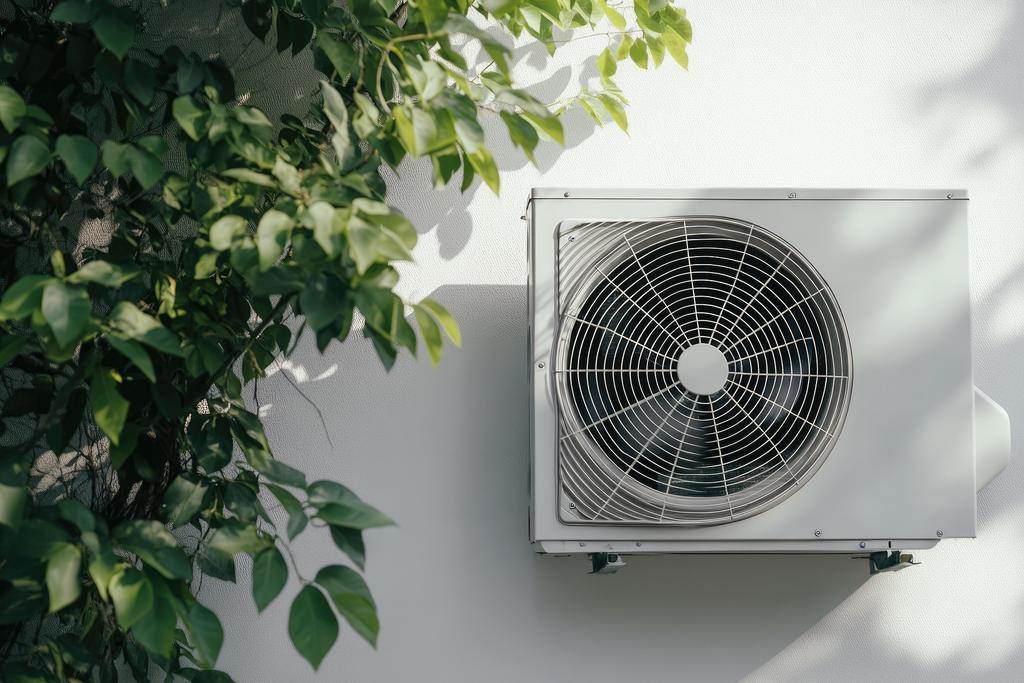
Heat pumps provide efficient heating in winter and cooling in summer. This versatility comes from their ability to transfer heat energy: extracting it from the outdoor air to warm your home during cold months and removing indoor heat to cool it when it's hot. Specifically, during chilly weather, when the outdoor coil drops below freezing, sensor readings trigger your system's defrost cycle.
The defrost cycle is a crucial function designed to maintain your heat pump's efficiency without wasting energy. If a heat pump cannot effectively defrost, it is often caused by underlying issues like low refrigerant or faulty sensors, which can ultimately lead to damaged coils and costly repairs.
Below, we break down everything you need to know about your heat pump's defrost cycle and what to keep an eye out for if the cycle is malfunctioning.
How Does a Heat Pump Defrost Cycle Work?
During winter, the refrigerant in your heat pump's outdoor coil runs colder than the outside air. When outdoor air comes into contact with that cold surface, water vapor in the air condenses and forms frost. You'll most likely see frost on cold, damp mornings, when the coil surface drops to freezing and there is enough moisture in the air to condense on it.
Your heat pump has a built-in defrost cycle to prevent frost from turning into thicker ice. During the defrost cycle, the heat pump temporarily works in reverse. Instead of sending warm refrigerant into your home, your heat pump redirects hot, high-pressure refrigerant gas directly to the outdoor coil. While your heat pump is in defrost mode, your backup heat source will kick on until your heat pump goes back to normal.
The defrost cycle is brief, a matter of minutes rather than hours. Afterwards, the system will return to normal heat production. If the defrost cycle runs far longer than that or never seems to end, there is likely a defect in your defrost controls that requires professional repair. Additionally, if your system continues to run cool air, then there might be an issue with your auxiliary heat that also requires attention.
Normal Sights and Sounds vs. Signs of a Problem
The Valley of the Sun can still encounter chilling temperatures that require your heat pump to work overtime in keeping your home warm and toasty. When coil sensors detect below-freezing coil temperatures, your system is prepared to activate the defrost cycle to keep its components from building up excessive frost and ice. When this happens, it's important to know normal operations versus signs of a problem.
Normal
- You may or may not hear a loud swishing noise as the system goes into and out of the defrost cycle.
- The compressor can sound louder than normal.
- During this cycle, your auxiliary heat should kick in to ensure your home stays warm.
- The outdoor fan motor will shut off during the defrost cycle.
- As the outdoor unit defrosts, you may see steam from the unit.
- During the defrost cycle, do not turn off the thermostat. This can delay the defrost cycle.
- Your thermostat may drop a few degrees depending on the length of the defrost cycle.
- After the system has gone through a defrost cycle, it will return to heating.
Signs of a Problem
- Defrost cycle runs much longer than usual or does not end.
- Cold air blowing indoors could be a sign of failed auxiliary heat.
- The cycle keeps turning on and off, resulting in short cycling.
- The heat pump's outdoor unit is trapped in thick ice.
- Loud metallic rattling could be a sign the system is hitting ice, or the compressor is struggling.
Understanding the difference between normal system behavior versus a malfunction is essential in making sure you are empowered to take proactive measures when needed. If your system's defrost cycle is showing any signs of a problem, calling an expert HVAC technician is the best next step to getting your heat pump back in working order.
What Causes a Heat Pump to Freeze Over Completely
In some cases, the defrost cycle may not turn on at all or struggle to keep up when it needs to, which can cause your heat pump to freeze over completely. Common underlying issues include:
- Dirty air filters or outdoor obstructions restrict airflow and heat transfer, causing coil temperatures to drop.
- Faulty defrost control board sensors cannot detect changes in temperature.
- A faulty defrost thermostat or sensor fails to detect the outdoor coil's temperature.
- The reversing valve is stuck and can't reverse the refrigerant flow, preventing hot gas from melting the ice.
- A refrigerant leak creates pressure changes in the line, dropping coil temperatures extremely low while robbing the heat pump of the heat needed to run its defrost cycle.
- If the outdoor fan motor stops completely during normal heating mode, the coil cannot absorb heat and causes the system to freeze.
Typically, a little bit of frost is not a cause for concern. However, a heat pump that is covered in thick ice could be a sign of a problem that requires a service visit. When you have a technician on site, they will inspect the system, looking to see if any of the above scenarios are causing the system to completely freeze over. From there, they can conduct the appropriate repair so your heat pump can get back to warming your home, and your defrost cycle can keep your system running efficiently along the way.
Heat Pump Stuck in Defrost Mode or Can't Defrost at All? Call George Brazil
Your defrost cycle is a crucial feature in maintaining peak heat pump performance. The moment you encounter an issue with your defrost cycle or notice your heat pump freezing over, call the HVAC experts at George Brazil. Our licensed pros are fully equipped to deliver the right heat pump repair service. Don't let a malfunctioning defrost cycle get in the way of maintaining a warm home during the winter season! Schedule your heat pump service with George Brazil today!