

AC Won't Turn On? What Clicking, Humming, and Buzzing Noises Mean
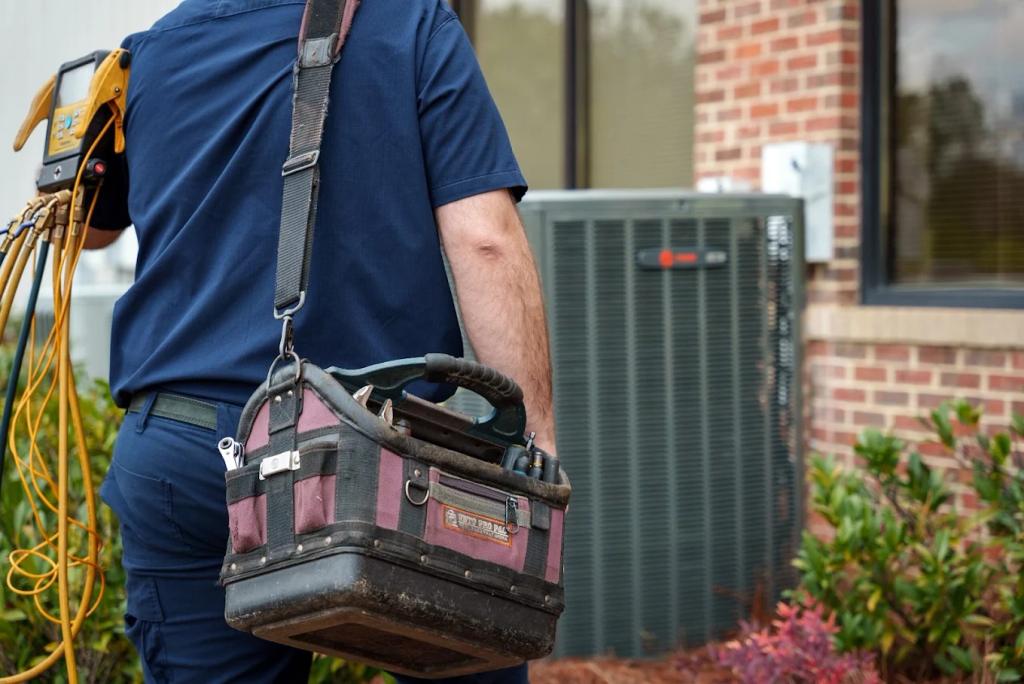
The moment you set your thermostat to a cool temperature, you expect the system to deliver crisp air to all the vents in your home. However, in some instances, you may catch your system making strange noises instead of running successfully. Clicking, humming, or buzzing are common sounds that come to mind when your system is struggling to run. Below is a breakdown of each sound and what could be malfunctioning in your air conditioning system that is causing it to not turn on.
AC Clicking Noises: Contactor, Capacitor, or Electrical Control Issues
In everyday AC use, a single click when your system turns on is typically normal. This noise is caused by a part called a contactor—a heavy-duty outdoor switch that snaps shut to deliver power to your AC. A click followed by your AC running is the normal sequence of events. However, if the click is followed by silence or continuous clicks, that's when there's a problem with the system.
Continuous clicking usually leads to an issue with the contactor. When the contactor can't stay shut to give your AC power, it will consistently open and close, giving you a non-stop clicking sound. Usually this signifies that the contactor is worn or aging, requiring a replacement.
A single click followed by no sound can stem from a broken capacitor, which is housed inside your outdoor unit and acts like a giant battery that gives your AC compressor the extra surge of power it needs to start up. Over time, they lose their ability to store energy and can no longer give your AC the kick-start it needs to turn on. So, when the capacitor on an older AC goes bad, the system won't have the amount of power it needs to start up until the capacitor is replaced.
Flickering thermostat screen or continuous contactor clicking can be connected to a clogged condensate drain line. It's common for the HVAC system's drain pan or line to have a safety float switch to prevent the system from overflowing and causing water damage. When the float switch detects the water levels are at a certain threshold, it will shut off the 24-volt circuit causing the contactor to click open and remove power from the system. When the water level drops, the safety float switch will re-engage the circuit, causing the contactor to close again. As the water level goes up and down, the clicking noise continues. Additionally, depending on how your thermostat is installed, you may notice power to your screen shut off or flicker on/off as well.
If you encounter any of these scenarios, it's important to turn off the system and contact a licensed HVAC technician for a service visit.
Low Humming Noises: Dead Capacitors, Seized Motors, or Fan Obstructions
Low humming noises target a different set of components within your HVAC system. Typically, this sound occurs when electricity reaches a motor, but the component is physically stuck or lacks the power to start spinning. Since the motor can't turn, the electrical power sits in the motor's wiring and vibrates, creating a steady hum. Three common causes of a low humming noise include:
Broken down capacitor will not give the compressor and fan the jolt it needs to run which causes electricity to sit in the motor windings without creating movement, leaving only a humming noise.
Worn down compressor motor can lock up or wear down its bearings over years of desert heat. When the system tries to send electricity, the compressor hums, and a safety switch cuts power.
Physical obstructions to the fan, or fan motor bearings that have frozen, can stop the blades from spinning. Foreign objects such as branches or pests can create blockages. Worn-out bearings struggle to propel the fan. When the blades can't spin, electricity is still trying to deliver power to it which causes the humming sound.
A service visit with an HVAC technician is the next best step if you encounter any humming sounds from your system. They will be able to identify which component needs to be addressed and conduct the appropriate repairs.
Loud Buzzing Noises: Damaged Contactors, Blower Motors, or Loose Wiring
When you encounter a loud buzzing noise from your AC system, it most likely leads to an electrical issue. It is not isolated to just one area of your HVAC system. In fact, there are a few different areas where electrical issues can transpire that cause this type of noise.
Damaged or pitted contact points on the contactor cause continuous electrical arcing. The electrical current works hard to do its job while jumping past rough or burnt areas, creating a flurry of tiny electric sparks inside the switch. This back-to-back arcing creates a buzzing sound.
Indoor blower fan motor or indoor capacitor fails as the motor can vibrate intensely against its metal housing, creating a loud buzzing sound. Not all buzzing noises come from the outside unit; you may notice the sound coming from where your indoor blower fan and indoor capacitor live whether that's the attic or a closet.
Loose wiring occurs over time as normal system vibrations eventually cause wires to loosen, which creates gaps that electricity must jump through. This creates a continuous buzz in the main power box.
Electrical issues with your HVAC system require a professional service visit. Technicians have the tools and expertise to handle these kinds of issues accurately and, most importantly, safely.
Get Your AC System Running Again with the Experts at George Brazil
If your AC system isn't starting and all you hear are clicks, hums, or buzzes, call the HVAC experts at George Brazil to diagnose the problem and deliver the right repair. For about 70 years, we have been serving Phoenix, AZ and the surrounding areas. Our technicians are background checked, and many have been with us for years, so when you have a service visit with us, our team knows how to address system noises and non-working units. Schedule your AC repair with us today, by phone or online!