

Understanding AC Capacitors: What They Do and When to Replace One
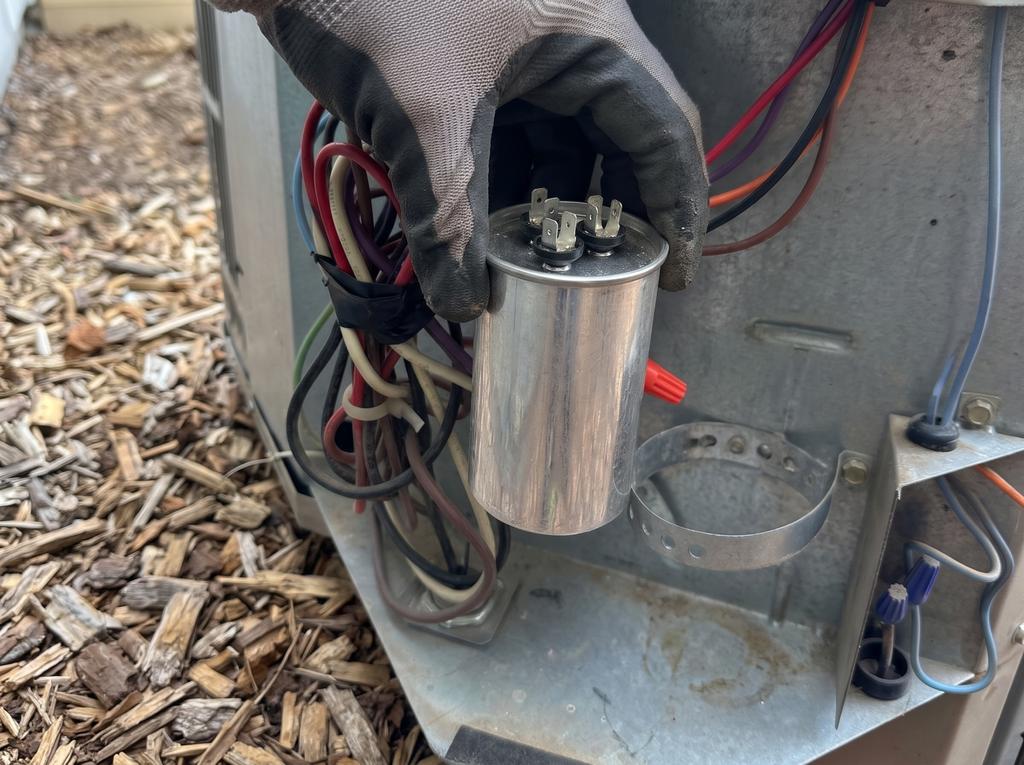
Your air conditioner is vital to maintaining comfort in your home, especially during hot summer days. When you switch on your AC, numerous components work together to cool your space effectively. Among these, capacitors play a crucial role. These components are essential for powering your air conditioner, enabling it to operate efficiently.
The AC capacitor is essentially the system's electrical boost. It stores an electrical charge and releases it to give the compressor and fan motors the extra push they need to start and keep running. The capacitor is key to propelling these components to move and act accordingly. There are a few different types of capacitors. Which one you have depends on your specific AC system:
- Start Capacitor: Focuses on sending a quick electrical current to the compressor so that it can start spinning, then toggles off.
- Run Capacitor: Stays on the entire time supporting the compressor motor or fan motor throughout its run time.
- Dual Run Capacitor: Stays on the entire time supporting the compressor and the fan motor simultaneously. Most residential outdoor units in Phoenix use a dual run capacitor, and it is the part homeowners usually end up replacing.
Think of your capacitor as the wind beneath your system's wings (pun intended). It provides the push needed to get your system spinning so it can feed your home with the cool air you are asking for.
Signs of a Broken Capacitor
When your capacitor is malfunctioning, your AC system will show signs that something is wrong that you are able to detect. Keep an eye out for these symptoms and, if you notice any of them, schedule a service visit with a licensed HVAC technician.
- AC Blows Warm Air - Since the capacitor assists in getting the compressor to spin, a failing capacitor can prevent this motion from happening. This in turn prevents the system from circulating refrigerant, which cools your home. Instead, the system sends warm air to your vents. If you feel warm air coming from the vents, the capacitor is a possible source of the problem.
- AC Won't Turn On - A completely dead capacitor often means the unit won't even try to start. After all, the capacitor gives the initial electrical current to the motor, so if there's no electrical boost, it won't start.
- Humming Sounds - If your capacitor is failing and the compressor or fan motor is not engaging, you may notice a humming sound when the unit tries to start.
- Hard Starting - If your capacitor loses its strength for the initial surge, but still delivers a weak boost, it will slow down the start process and cause strain on your compressor.
- AC Short Cycles - If a run capacitor is failing, it will overwork the motor which can trigger the safety switch causing it to shut off early.
Side note: If you have an aging compressor that runs, but is so weak that it cannot be supported by its current capacitor alone, then you may consider a hard start kit for additional support. While it does not fix your weakened compressor, it does provide the extra boost it needs to start up smoothly.
Of course, it's always recommended to have routine annual maintenance through George Brazil's Worry-Free program scheduled to help identify issues early on.
Cost of an AC Capacitor
If you've noticed one or more of the issues mentioned above, it could mean you need to replace your AC capacitor as soon as possible. The part itself is inexpensive; most of the cost is the service call and the labor to test the system and install the new capacitor safely.
AC capacitor replacement costs vary with the type of capacitor (a dual run capacitor costs more than a single), the size of your unit, and the make and model, so get an estimate upfront.
When to Replace Your Air Conditioner
The AC capacitor replacement cost is nominal when compared to major repairs. Capacitors are one of the components that may need replacing more than once over the life of an AC system. However, if your system is well into its service life and your capacitor starts to fail, it may be a sign of other part failures headed your way.
The general rule of thumb for AC units is to consider replacing an aging system when a major repair approaches a large share of the cost of a new unit. The extra money you spend on installation is often repaid by more efficient cooling, and you avoid the inconvenience of an air conditioning system breakdown.
All Your Capacitor Concerns Covered with George Brazil
Whether you need a capacitor repair or a full AC system replacement, George Brazil technicians are the licensed and highly trained team to accomplish the service call. For about 70 years, we have served Phoenix and surrounding area homeowners with heating, cooling, and indoor air quality services, so every home has a working HVAC system year-round. Ensuring your home stays comfortable during the hottest summers and coldest winters is always our top priority. Schedule HVAC service with your local favorite team at George Brazil today!